


housing in El Paso
addressing Our City’s Housing needs
a look at the missing middle housing in El Paso
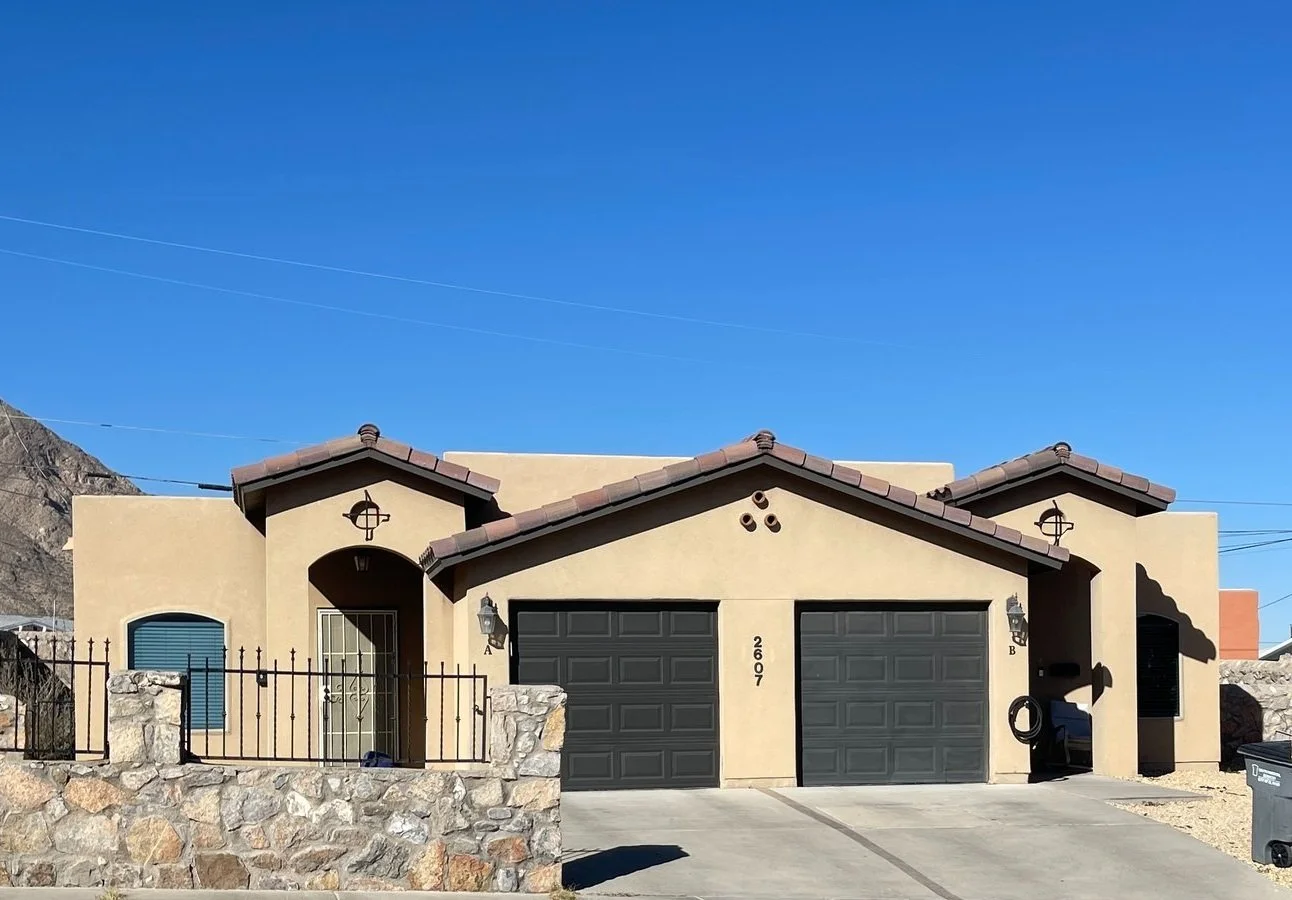

One-stop online resource to find information about the options for expanding middle housing and discover why these innovative solutions are essential for addressing our city’s housing needs.
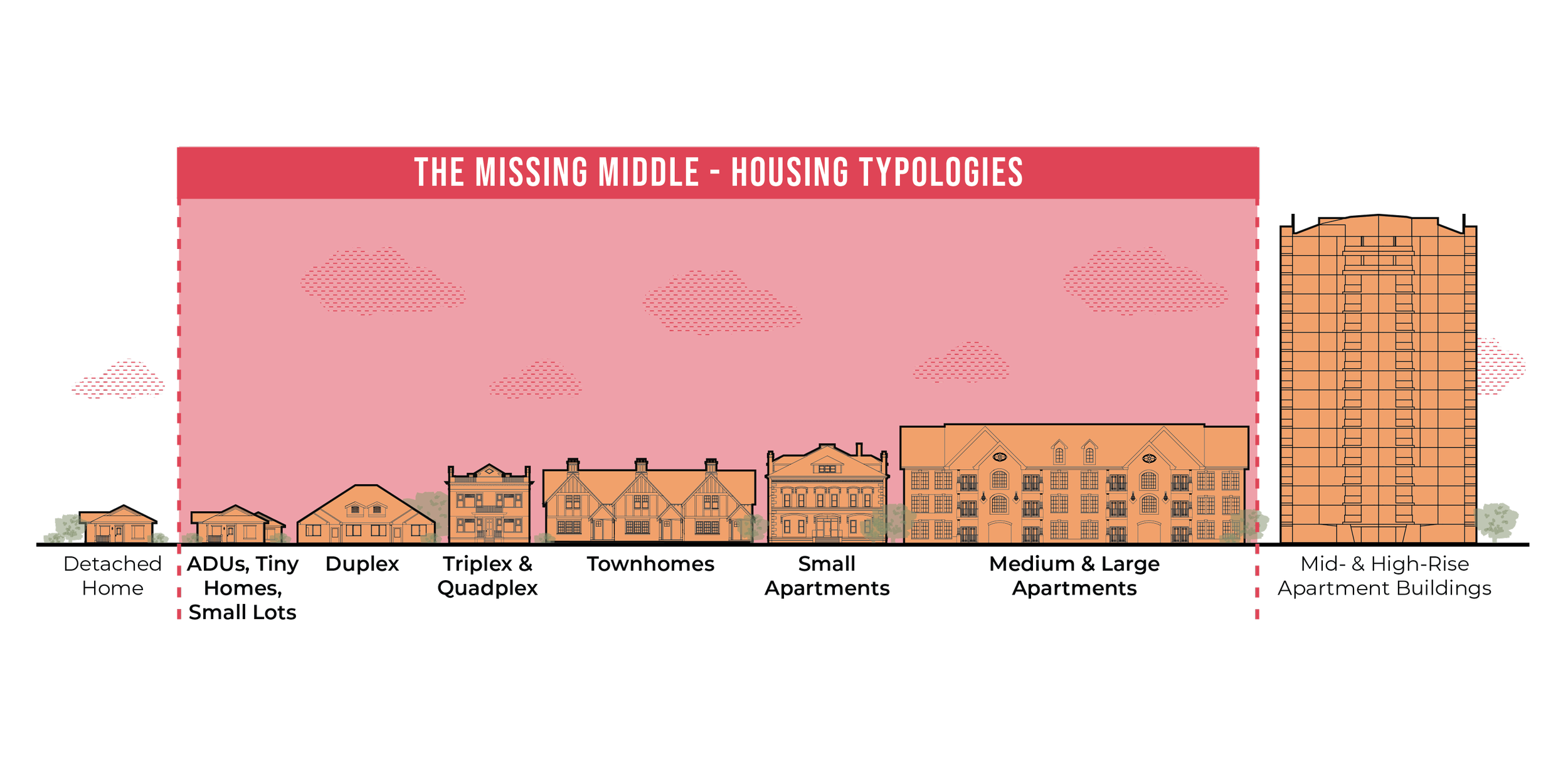
enabling missing middle housing
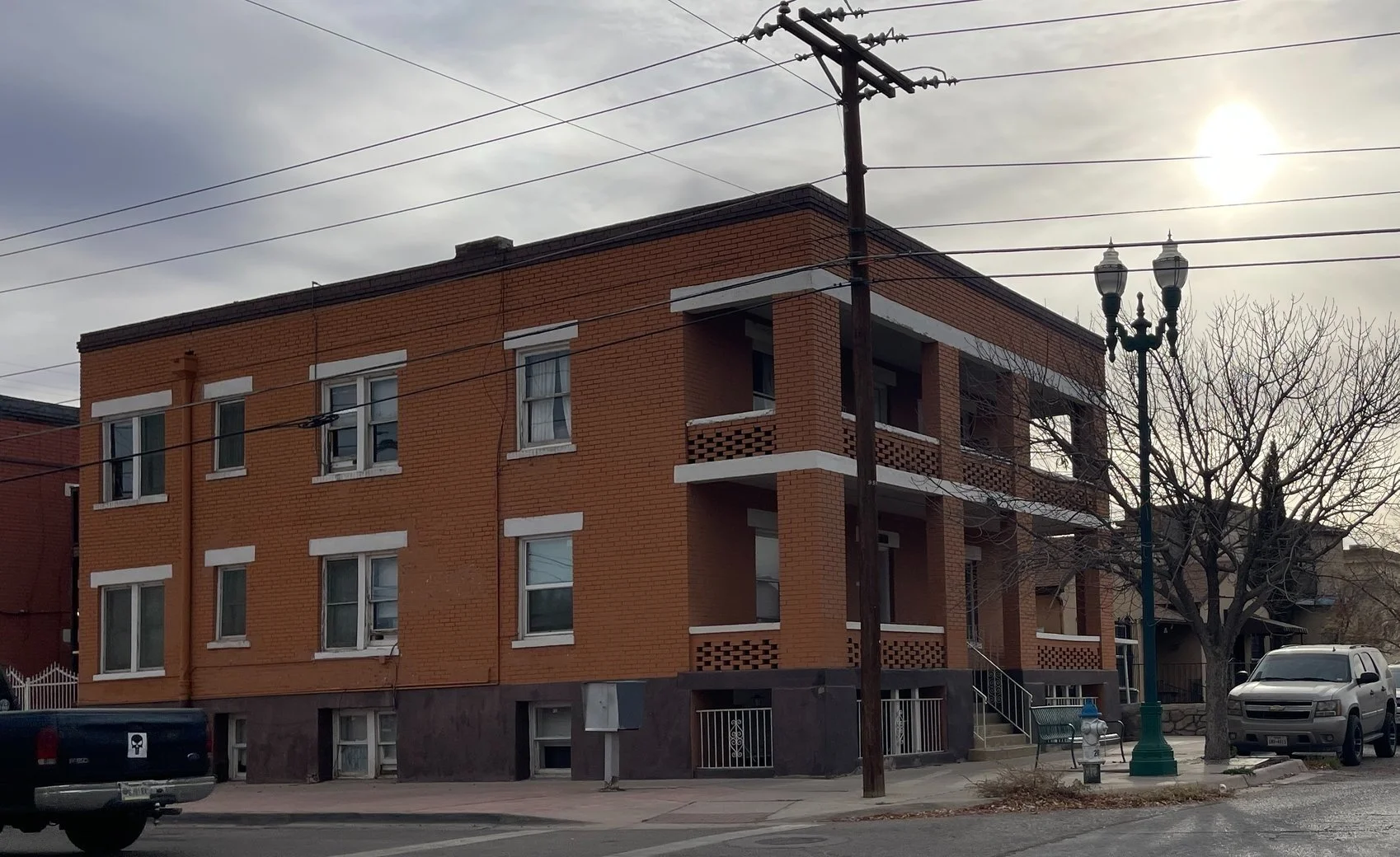
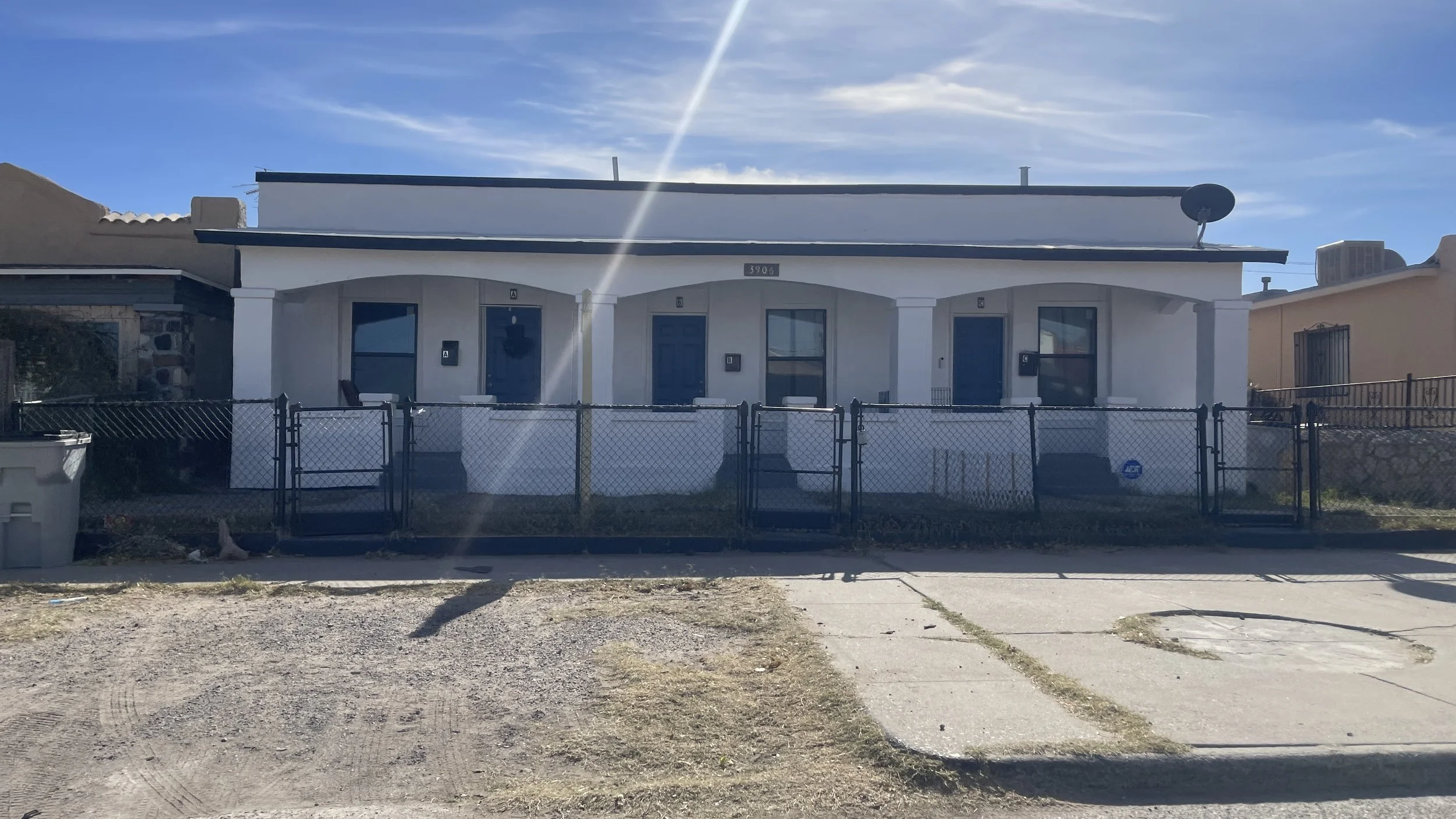
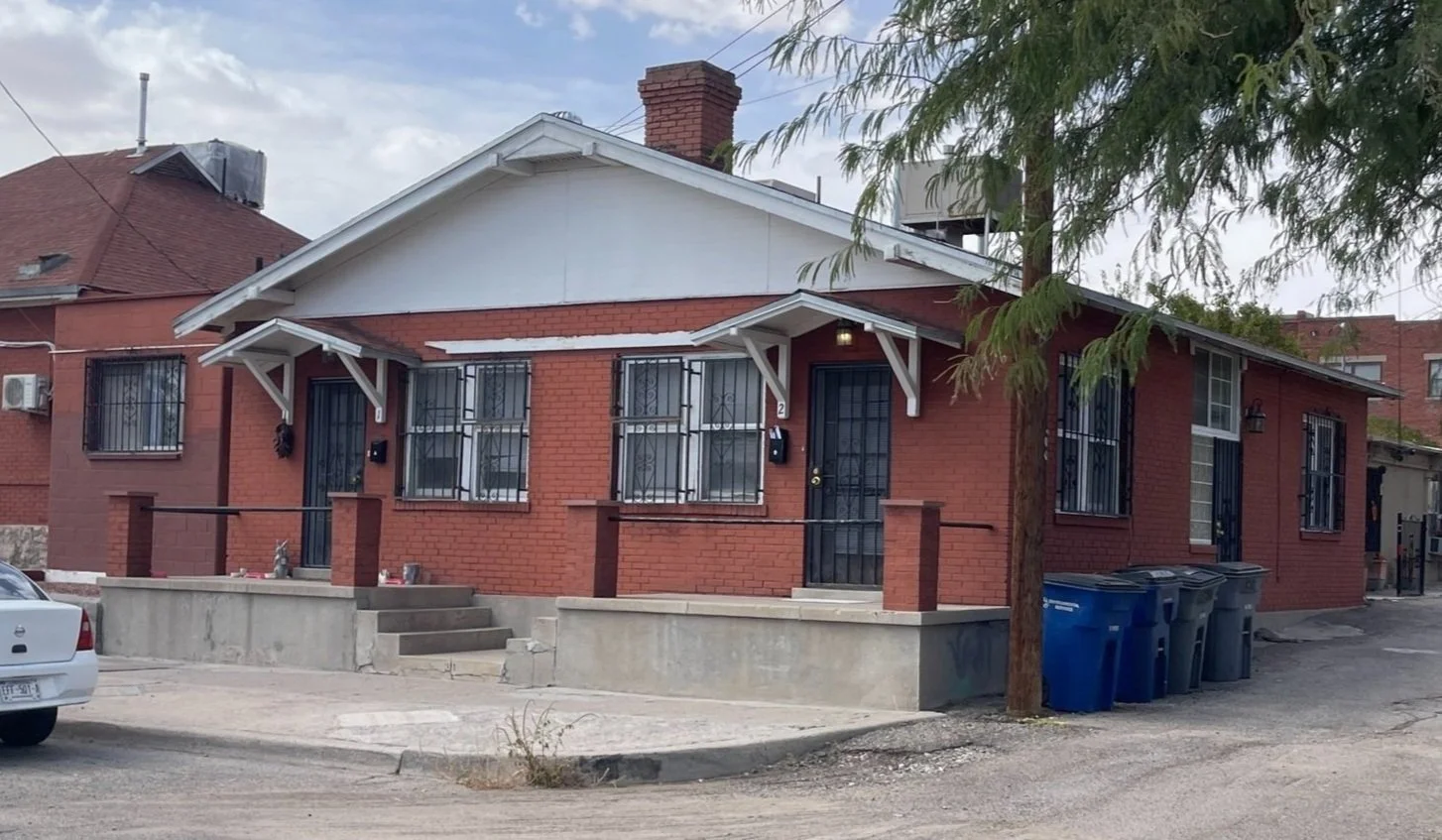
Middle Housing refers to a lack of medium-density housing in the North American context. Medium-density housing is characterized by a range of multi-family or clustered housing types that are still compatible in scale and heights with single-family or transitional neighborhoods. Middle housing is described as missing, because middle housing typologies were once common nationwide, including El Paso. Multi-family housing facilitates walkable neighborhoods and affordable housing, and provides a response to changing demographics.



Hear from the Community!

Young El Pasoans are speaking up.
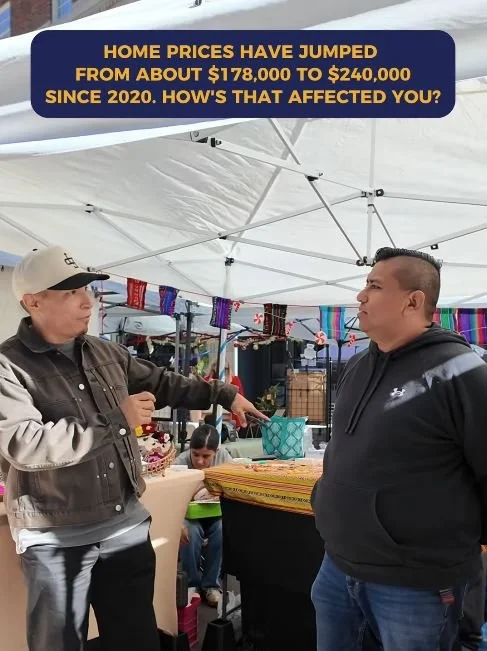
Families across El Paso are feeling the change.

Longtime residents have built El Paso, and their voices matter.
Housing decisions affect Daily Life
FAQs
-
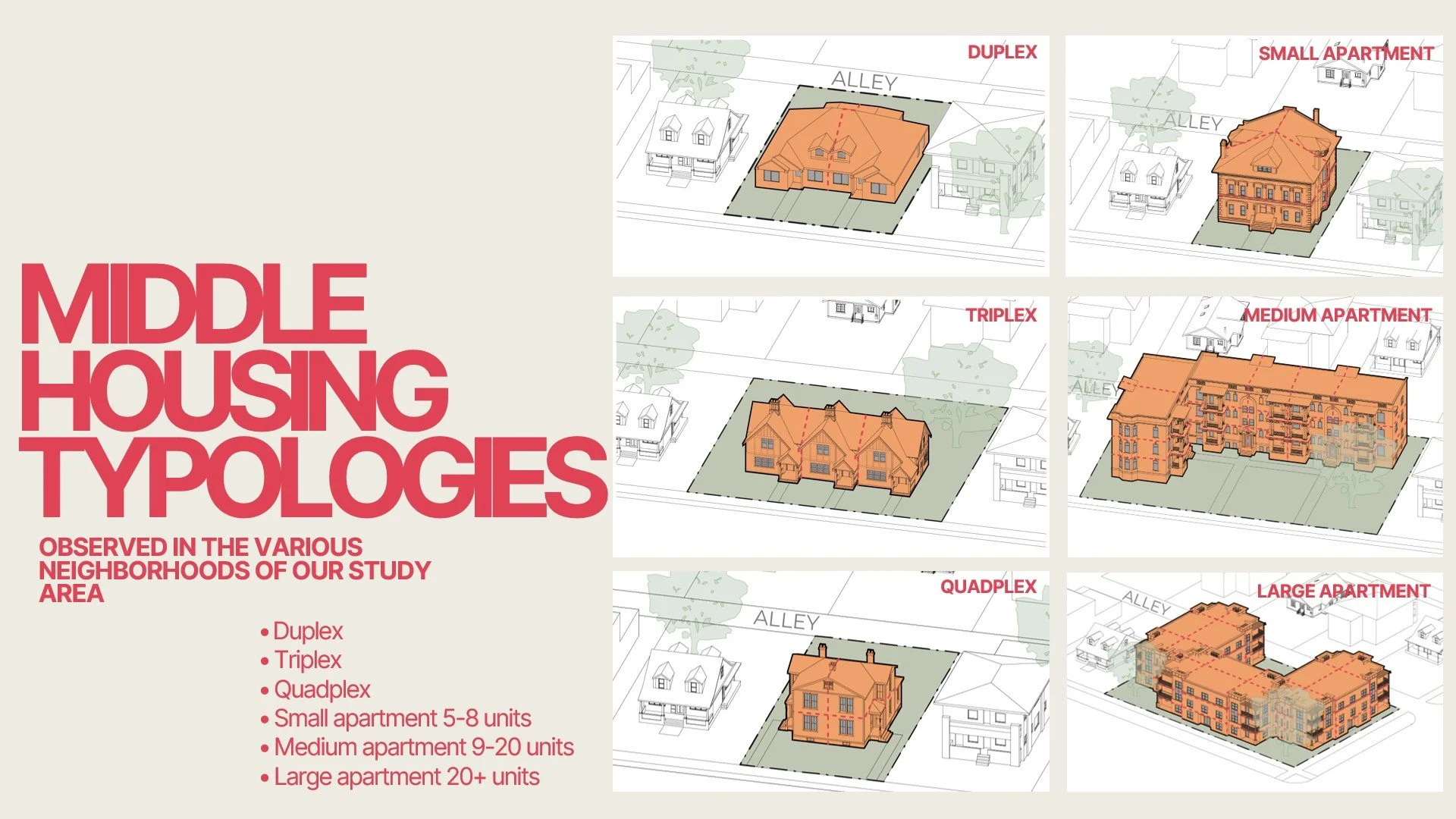
Missing middle housing is a term that is used to describe an array of housing types ranging in scale from duplexes to smaller apartments, typically with less than 20 units. Within this range, other housing types include, triplexes, quadplexes, townhomes, cottage courts and mansion-style apartments.
-
Expand housing choice for different income levels and household types.
Streamline approval processes to allow for middle housing typologies by right
To address housing affordability by allowing for more diverse housing types
Unlock investment in older areas of town by legalizing much of what exists today
Offer more flexibility for enabling middle housing development so that we can meet our community’s housing needs.
Promote a balanced approach to housing density while maintaining neighborhood character.
-
Numerous studies demonstrate that middle housing is most successful in neighborhoods with the following characteristics:
Walkable neighborhoods
Near services and amenities
Within transit-rich areas
In proximity to major employment centers
Central El Paso is the ideal area for introducing middle housing due to its walkable neighborhoods, proximity to service amenities, and transit networks, as well as established infrastructure capable of supporting increased population.
-
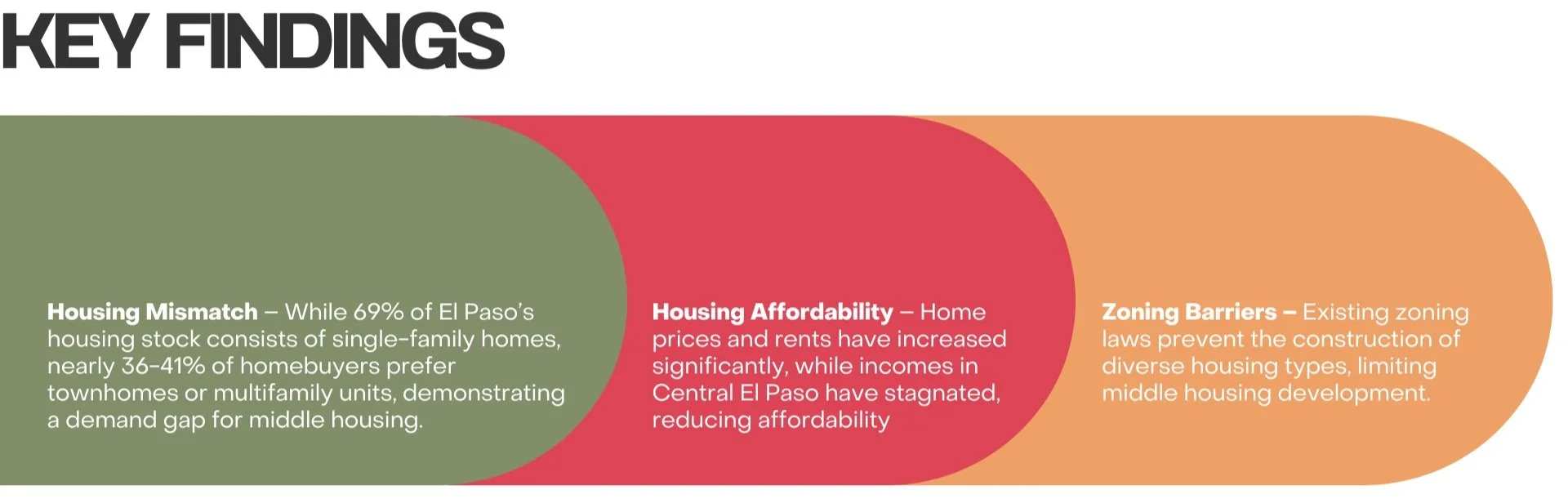
The current zoning regulations do not align with the existing housing patterns, restricting the construction of diverse housing types that could meet the needs of residents.
Newer neighborhoods outside of Central El Paso could benefit from greater housing diversity that could be accomplished through more incremental changes, allowing smaller middle housing options such as duplexes, triplexes or quadplexes.